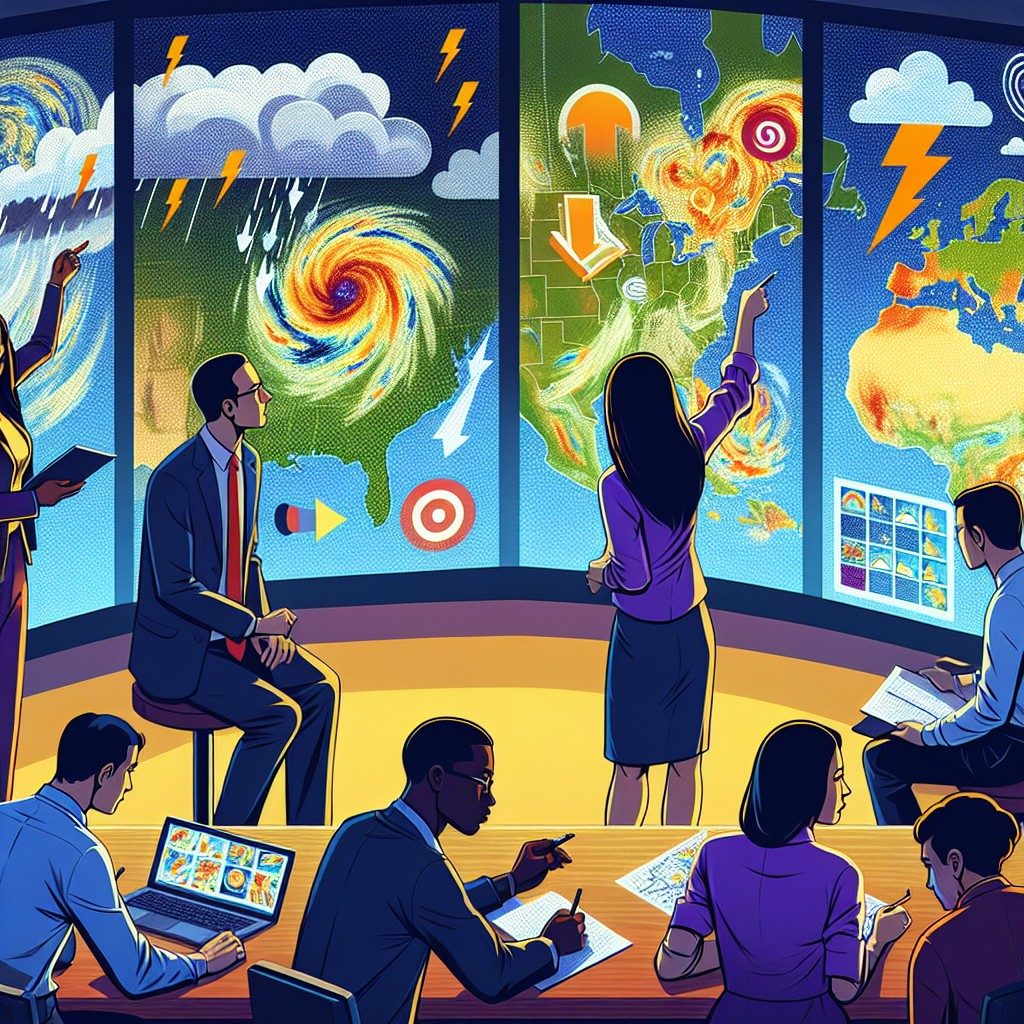
As we head towards 2026, climatologists are expressing grave concerns over expected weather patterns that could dramatically affect global ecosystems and human life. This Climate Analysis reveals the forecasts made by top meteorological experts, highlighting significant shifts that could occur in the near future.
Unprecedented Temperature Increases
Recent modeling suggests that the average global temperature could rise by an alarming 2.5 degrees Celsius by 2026. This increase is attributed to a combination of greenhouse gas emissions and a lack of effective policy implementation regarding climate change. Regions such as the Arctic are expected to experience some of the most drastic temperature increases, leading to accelerated ice melt and rising sea levels. Such changes will significantly alter marine habitats and threaten coastal communities worldwide.
Extreme Weather Events on the Rise
In addition to higher temperatures, this Climate Analysis anticipates an uptick in extreme weather events, including hurricanes, droughts, and floods, driven largely by climate change. Meteorologists predict that the frequency and intensity of hurricanes in the Atlantic could increase by as much as 30%, resulting in more devastation to infrastructure and greater economic losses for vulnerable regions. Similarly, prolonged drought conditions are becoming a haunting reality for several agricultural zones across the globe, affecting food supply and driving up prices.
Impact on Biodiversity and Human Health
The ramifications of these weather patterns extend beyond environmental impacts; they also pose direct threats to human health and biodiversity. Reports indicate that rising temperatures and shifting weather patterns will create conditions unfavorable for particular species, leading to heightened risk of extinction. Furthermore, heatwaves and changing precipitation patterns may exacerbate health issues such as heat-related illnesses and vector-borne diseases. The consequences might ripple through food systems and water resources, affecting millions globally.
In conclusion, the Climate Analysis presented by these experts points to a future where weather patterns will be increasingly erratic and severe. Without immediate and substantial action to curb emissions and implement sustainable practices, the effects of climate change could become irreversible, leading to dire consequences for both the planet’s ecosystems and human populations.
Frequently Asked Questions about Climate Analysis
What key aspects are analyzed in a Climate Analysis?
A Climate Analysis typically focuses on temperature trends, extreme weather events, and impacts on biodiversity.
How often should a Climate Analysis be updated?
Climate Analysis should be updated regularly, ideally annually, to reflect new data and modeling predictions.
What is the significance of a Climate Analysis?
A Climate Analysis helps inform policymakers and the public about current trends and potential future scenarios related to climate change.
Can a Climate Analysis predict specific weather events?
While a Climate Analysis can indicate trends and probabilities, it cannot predict specific weather events accurately.
Where can I find reliable Climate Analysis reports?
Reliable Climate Analysis reports can be found through institutions such as the Intergovernmental Panel on Climate Change and various national meteorological organizations.